In an era where environmental concerns increasingly influence our food choices, the rising levels of contaminants in seafood have become a significant worry for consumers worldwide. Microplastics—tiny fragments less than 5mm in size—along with pollutants like heavy metals and chemicals, have infiltrated our oceans, making their way into the marine food chain and, ultimately, onto our plates. A study published in Environmental Science & Technology estimates that the average person consumes over 50,000 microplastic particles annually through food and beverages1. As awareness grows about the potential risks associated with consuming these contaminants, seafood lovers are seeking alternatives that are both sustainably produced and carefully managed. Enter The Kingfish Company’s Yellowtail, a premium fish farmed using innovative Recirculating Aquaculture Systems (RAS) that offer a more controlled and eco-friendly option.
The Contaminant Dilemma in Seafood
Pollutants in marine environments originate from various sources, including industrial waste, agricultural runoff, and plastic pollution. Microplastics, heavy metals like mercury, and other harmful substances are pervasive in the oceans, ingested by fish and other sea creatures. The World Health Organization has highlighted concerns about microplastics in drinking water and the potential health impacts2. Studies have shown that these contaminants can accumulate in the tissues of marine life, raising questions about their impact when these creatures are consumed.
La pesca tradizionale e alcune pratiche di acquacoltura non sono in grado di prevenire completamente che i pesci ingeriscano contaminanti a causa della natura aperta degli oceani e delle acque costiere. Questa realtà ha spinto sia i consumatori che i produttori a cercare metodi per mitigare questa contaminazione.
RAS Farming: A Controlled Approach
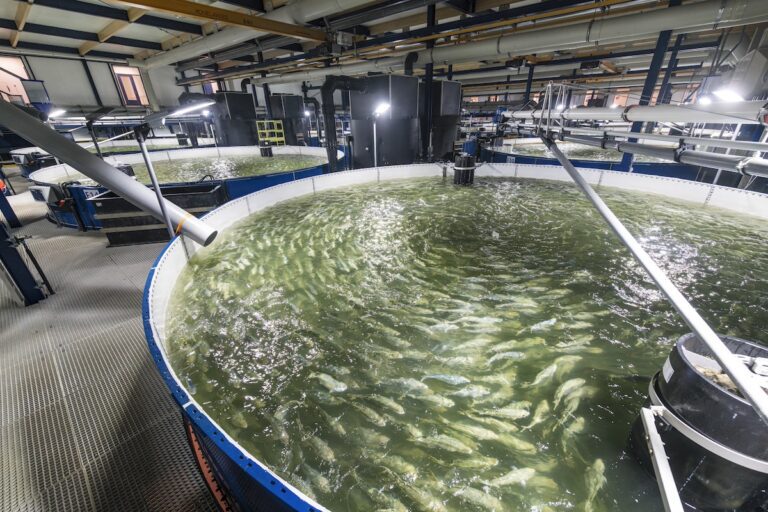
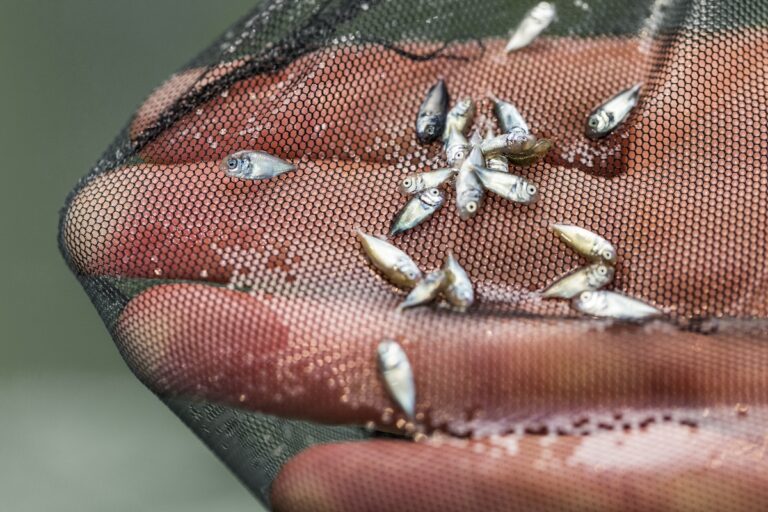
The Kingfish Company has embraced Recirculating Aquaculture Systems (RAS) to cultivate their Yellowtail fish, setting a new standard in sustainable aquaculture. RAS farming involves raising fish in land-based facilities where water quality and environmental conditions are meticulously controlled. This closed-loop system filters and recycles water, significantly reducing the need for large water inputs and minimizing exposure to external pollutants, including microplastics and other contaminants.
By operating in a contained environment, The Kingfish Company can monitor and manage every aspect of the fish’s habitat. This control reduces the Yellowtail’s exposure to the pollutants common in open-sea fishing and traditional aquaculture. While no system can entirely eliminate the presence of contaminants, RAS farming allows for stringent oversight and management strategies to keep contaminant levels as low as possible. Moreover, RAS farming reduces the risk of disease and eliminates the need for antibiotics. This aligns with responsible aquaculture practices.
Sustainability at the Forefront
Beyond addressing contaminant concerns, The Kingfish Company’s RAS farming practices contribute to broader environmental sustainability. The system minimizes water usage and waste, reducing the environmental footprint compared to conventional aquaculture. Additionally, by farming Yellowtail locally, the company cuts down on transportation emissions associated with importing seafood, delivering fresher products to the market.
The company is also committed to responsible feed practices, ensuring that the diet provided to the Yellowtail is both nutritious and sustainably sourced. This approach supports the well-being of marine ecosystems by reducing reliance on wild-caught feed ingredients.
A Choice for the Conscientious Consumer
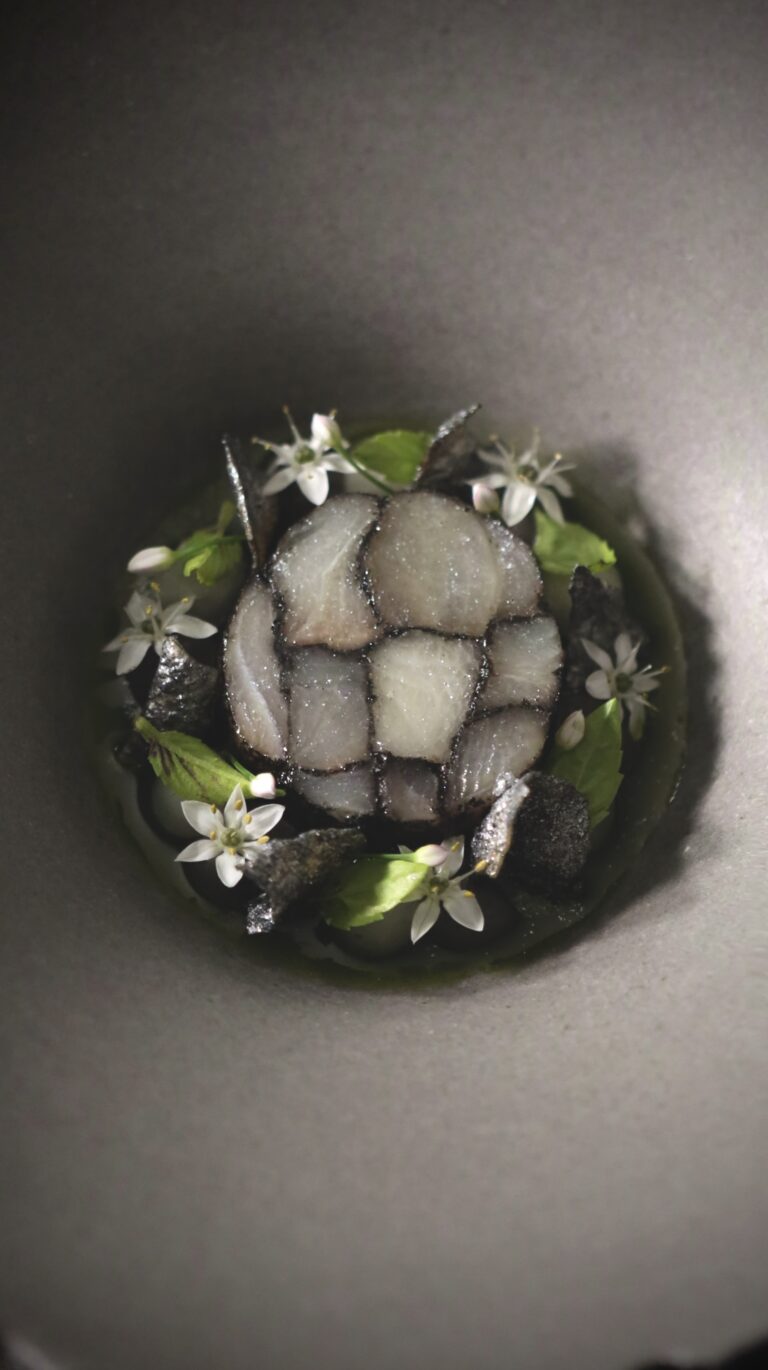
Choosing The Kingfish Company’s Yellowtail means opting for a high-quality fish that aligns with environmental values. The firm, succulent flesh of the Yellowtail is appreciated by chefs and seafood enthusiasts alike for its versatility in various culinary applications. Knowing that this fish is raised in a controlled environment with measures to minimize exposure to contaminants provides an additional consideration for consumers mindful of sustainable practices.
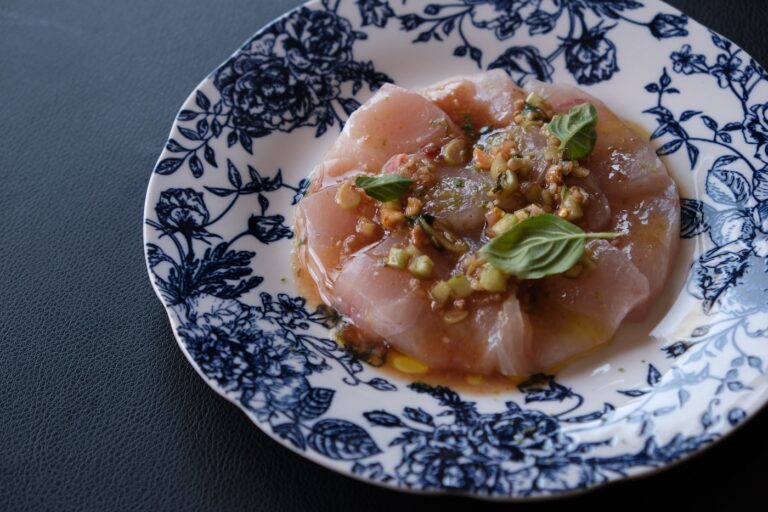
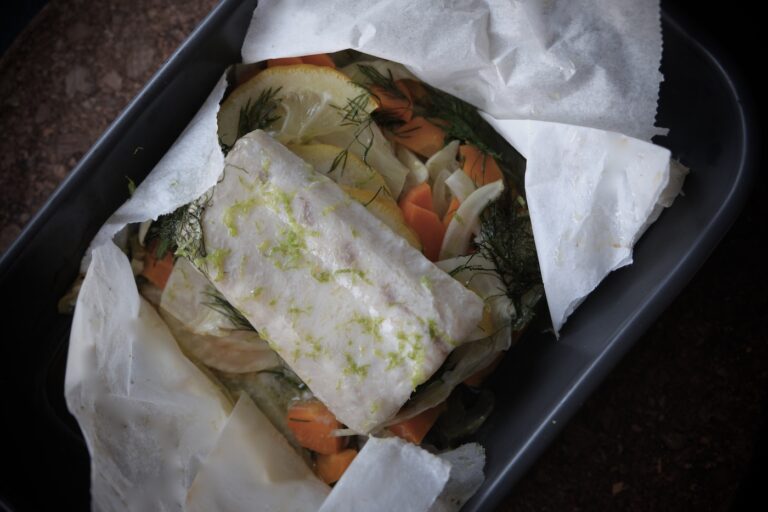
Two preparations from The Kingfish Company recipes: yellowtail kingfish crudo and yellowtail kingfish en papillote.
Making Informed Seafood Choices
As the issue of contaminants in seafood continues to garner attention, making informed choices becomes ever more critical. The Kingfish Company stands at the forefront of offering options that address these modern challenges. By leveraging advanced RAS farming technology, they provide a product that is sustainably produced with a focus on environmental responsibility.
In a world where our consumption habits have far-reaching impacts on the planet, selecting seafood like The Kingfish Company’s Yellowtail is a step towards a more sustainable future. It’s a choice that supports innovative farming practices, promotes environmental stewardship, and ensures that what ends up on our plates is both delicious and responsibly sourced.
Discover the difference that conscious aquaculture can make. Choose The Kingfish Company’s Yellowtail for a cleaner, greener seafood experience.
Delivered in 24–48 hours
Fresh from our farm in the Netherlands to premium kitchens across Europe, the UK and the Middle East. Tell us a little about you and we will be in touch.
Start an inquiry